|
|

Soluble Fiber
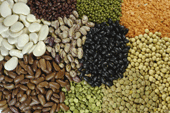
What are Legumes?Dried beans, peas, and lentils are collectively called legumes:
Inexpensive and versatile, legumes are low in fat and high in protein compared to other plant-based foods. They are also high in soluble fiber which helps improve blood cholesterol and blood glucose levels. Because they come from a plant, they are high in fiber and contain no cholesterol.
Eat Your Oats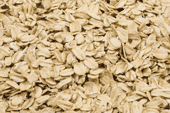
Oats are the best source (along with barley) of a soluble fiber called beta glucan. This type of fiber helps lower total cholesterol and, especially, LDL (“bad”) cholesterol. All forms of oatmeal (steel-cut, rolled, old-fashioned, instant, etc.) are whole grains and are similarly nutritious. They differ in the size or shape of the grain, whether they have been pre-cooked, and thus how long it takes to cook them. Oat bran is just as effective at reducing cholesterol levels as two widely prescribed cholesterol-lowering drugs which is why labels on oat products are allowed to make a heart-healthy claim. The oat bran, however, costs much less than the drugs! Oat fiber also helps control blood sugar and improve insulin sensitivity, so it can be highly beneficial for people with insulin resistance or diabetes. Furthermore, oats contain phytochemicals that may also help reduce the risk of heart disease by helping to relax blood vessels and maintain blood flow, thereby reducing high blood pressure. Shopping and StorageRead the label when shopping for oat products. Most “oatmeal” breads are primarily refined wheat, with oats way down on the ingredients list. Most oat muffins, granola bars, and cookies use oats merely for texture and to acquire a healthy image. Oats have a slightly higher fat content than other whole grains and can therefore turn rancid quickly. Therefore, buy them in small quantities and store in airtight containers at room temperature (or in the refrigerator in hot weather) for up to a month. Oat products can be kept in the freezer for 2 to 3 months. Ways to include more oats in your diet.
|
















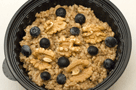 Soluble fiber helps reduce the risk of heart disease by lowering total blood cholesterol and LDL (“bad”) cholesterol. Soluble fiber also reduces the risk of type 2 diabetes by normalizing blood glucose and insulin levels. Good sources of soluble fiber include legumes, barley, brown rice, oats and oat bran, fruits (especially apples, plums, citrus, strawberries, and blueberries), and vegetables such as carrots, split peas, and corn.