|
















|

Saturated Fat
Cut Back on Saturated Fat
 Minimizing your intake of saturated fat is the single most effective dietary measure
you can take to prevent high LDL (“bad”) cholesterol or to lower LDL cholesterol that is already too high.
Extensive research indicates that, on average, for every 1% increase in total calories from saturated fat,
LDL cholesterol rises about 2%. Conversely, reducing intake of saturated fat by 1% will lower LDL levels by about 2%.
Reducing saturated fat intake by just 1% translates into a 2% reduction in LDL cholesterol. Minimizing your intake of saturated fat is the single most effective dietary measure
you can take to prevent high LDL (“bad”) cholesterol or to lower LDL cholesterol that is already too high.
Extensive research indicates that, on average, for every 1% increase in total calories from saturated fat,
LDL cholesterol rises about 2%. Conversely, reducing intake of saturated fat by 1% will lower LDL levels by about 2%.
Reducing saturated fat intake by just 1% translates into a 2% reduction in LDL cholesterol.
The easiest way to cut back on saturated fat is to eat fewer animal-based foods. Cheese, for example, is a leading source of artery-clogging saturated fat with Americans eating three times as much cheese as they did 30 years ago. Some vegetable fats (coconut and palm) and hydrogenated fats provide smaller amounts of saturated fat. Select poultry or fish and nonfat dairy products to lower your total saturated fat intake. Using non-hydrogenated margarine and mono- and poly-unsaturated cooking oils are simple changes than can dramatically lower saturated fat intake.
Limit saturated fat to less than 7% of your total daily calorie intake.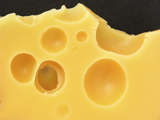
MAJOR SOURCES OF SATURATED FAT
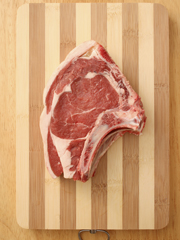
Whole milk Cream Butter Cheese Fatty cuts of beef and pork Coconut, palm, and palm kernel oils (and products containing them such
as candies, pastries, pies, doughnuts, and cookies)
Minimize fat from meat and poultry
|