|















|

Calcium
Maintain an Adequate Calcium Intake
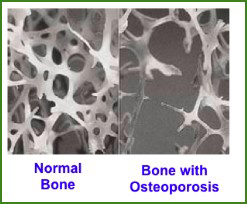 Calcium is essential for strong bones and teeth. Calcium is essential for strong bones and teeth.
Calcium is deposited and withdrawn from bones daily. Bones build to about age 30. We need to build up a healthy bone account while young and
continue to make deposits with age.
Osteoporosis causes weak bones. In this common disease, bones lose minerals like calcium. They become fragile and break easily. As a woman ages, her hip fracture risk equals her combined risk of breast, uterine, and ovarian cancer.
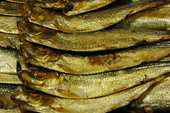 Getting enough calcium is easiest when you consume non-fat or low-fat dairy sources, such as skim milk and low-fat or non-fat yogurt. The nutrient content of whole, 2% fat, 1% fat, and non-fat milk is about the same. The real difference is fat and calories. Other good non-dairy sources of calcium include broccoli, almonds, sardines with bones, collards, dried figs, bok choy, kale, and fortified soy milk. Ounce for ounce, dried figs, almonds, and some dark green vegetables have as much calcium as milk. One cup of whole milk provides 276 milligrams of calcium.
Three ounces of sardines with bones have more calcium than a cup of milk. One cup of collard greens provides 357 milligrams of calcium. Getting enough calcium is easiest when you consume non-fat or low-fat dairy sources, such as skim milk and low-fat or non-fat yogurt. The nutrient content of whole, 2% fat, 1% fat, and non-fat milk is about the same. The real difference is fat and calories. Other good non-dairy sources of calcium include broccoli, almonds, sardines with bones, collards, dried figs, bok choy, kale, and fortified soy milk. Ounce for ounce, dried figs, almonds, and some dark green vegetables have as much calcium as milk. One cup of whole milk provides 276 milligrams of calcium.
Three ounces of sardines with bones have more calcium than a cup of milk. One cup of collard greens provides 357 milligrams of calcium.
Add dry milk to casseroles, soups, gravies, and sauces. One fourth a cup provides 375 milligrams of calcium. Sprinkle cheese on top of salads, soups, chili, and baked potatoes. Cook hot cereal with skim milk instead of water. If you drink coffee, consider ordering a non-fat latté.
Components in coffee remove calcium from the bones; by adding milk, those compounds will bind
to the calcium in the milk instead of drawing it out of your bones.
Bonus: non-fat milk actually makes a more stable foam than whole and low-fat milks. Add non-dairy sources of calcium, such as tofu and leafy greens, to soups. Buy calcium-fortified orange juice.
Can't tolerate dairy products?
|