|
|

Limit "Refined" CarbsLimit Your Intake of “Refined” Carbohydrates
Refined carbohydrates (commonly referred to as “bad” carbs) provide calories, sugar, and, oftentimes, fat, with very little nutrition. Refined carbs include sugary foods like cookies, candy, and soda, refined grain products like white bread, and snack foods like potato chips. Not only do these foods contribute little, if anything, to our nutrient requirements, they also add a lot of empty calories. Drinking just one 12-ounce can of soda every day provides 160 calories which can add up to 16 pounds of weight gain over the course of a year! Further, many sugary foods are also high in saturated and hydrogenated fats which increase the risk of both heart disease and cancer. Other Names for SugarSugar, the most highly refined form of carbohydrates, can be found in many foods. MAJOR SOURCES OF ADDED SUGARS
Products labeled fruit drink, cocktail, beverage, and punch are not 100% juice and can contain a lot of added sugar. In addition, many fruit drinks are fortified with vitamin C but, again, may not contain much juice. Whether it’s fruit or vegetable, for the most nutrition check the label and be sure you’re buying 100% juice.
|















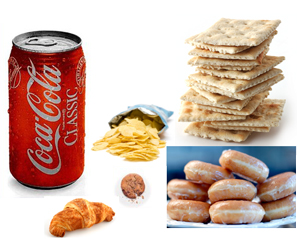 Highly processed and depleted in fiber, our westernized way of eating is running us ragged. Just walk into any Starbuck’s to find apple fritters, lemon pound cake, morning buns, classic glazed old fashioned doughnuts, blueberry muffins, maple bars, chocolate cinnamon bread, butter croissants, classic coffee cake, vanilla scones, and so on. It’s all refined carbohydrates.
 When shopping for food, be sure to read the ingredient list. Sugar can be disguised under many different names, including corn syrup, corn sweetener, and high fructose corn syrup.