|
|

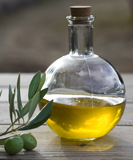
Unsaturated FatUse More Mon- and Poly-Unsaturated FatsIf we are to maintain a low-fat diet but have cut out saturated and trans fats, we will necessarily need to replace them with other fats. This is our opportunity to choose well. Polyunsaturated and monounsaturated fats do not raise cholesterol levels. What’s more, they can lower LDL (“bad”) cholesterol. Monounsaturated Fats: It is recommended that up to 20% of our total calories come from monounsaturated fats. Good sources of monounsaturated fats include olive oil, canola oil, almonds, and avocados. Polyunsaturated Fats: It is recommended that up to 10% of our total calories come from polyunsaturated fats. Good sources of polyunsaturated fats include corn, safflower, sunflower, soybean oils, fish and nuts. Oils are fats that are liquid at room temperature. They come from plant sources and certain fish. Many oils are key sources of vitamin E and monounsaturated and polyunsaturated fatty acids (including the essential fatty acids) in the diet. Oils from plant sources (vegetable and nut oils) do not contain cholesterol. Oils and FoodsRich in Mono- and Poly-Unsaturated Fats |