|
|

Whole GrainsWhole GrainsIn addition to fruits and vegetables, whole grains are an important source of fiber and other nutrients. Whole grains, as well as foods made from them, consist of the entire grain seed, usually called the kernel. The kernel is made of three components—the bran, the germ, and the endosperm. If the kernel has been cracked, crushed, or flaked, then it must retain nearly the same relative proportions of bran, germ, and endosperm as the original grain to be called whole grain. Refined GrainsRefined grains have been milled. This process removes much of the B vitamins, iron, and dietary fiber. Some manufacturers add bran to grain products to increase the dietary fiber content. Enriched GrainsSome refined grains are enriched. This means certain B vitamins (thiamin, riboflavin, niacin, folic acid) and iron are added back after processing. Fiber is not added back to most enriched grains. Fortified GrainsFortified means adding nutrients to food that weren’t originally present. For example, milk is fortified with vitamin D, a nutrient that helps your body absorb milk’s calcium and phosphorus. Most enriched grain products are now fortified with folic acid to reduce the risk of certain birth defects. To be sure that a product is whole grain, the FIRST ingredient should list one of the following whole grains:
Foods are usually not whole grain products if labeled with these words:
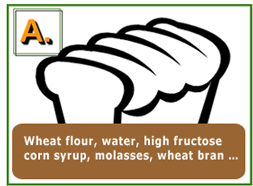
Brown Color Does Not Mean It’s Whole Grain!Bread can appear to be whole grain when packaged in brown bags or when the
bread itself is brown due to molasses or other added ingredients. Conversely, some whole grain wheat flours are white.
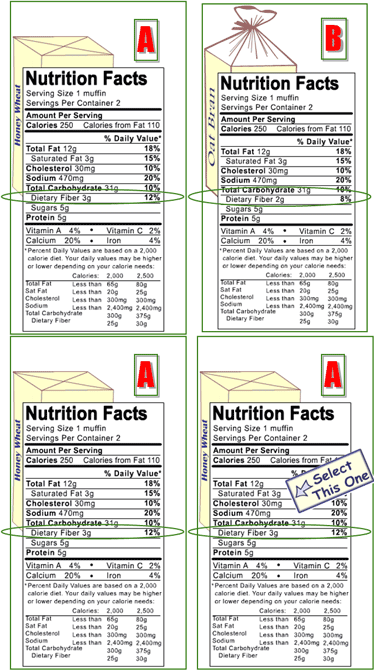
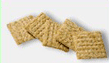
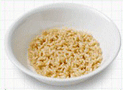
Which Grain Food is Higher in Dietary Fiber?Use “Nutrition Facts” label to help choose whole grain products with a higher % Daily Value (%DV) for fiber. The %DV for fiber is a good clue to the amount of whole grain in the product. Cereals that are good fiber sources supply at least 2.5 grams of fiber per serving. Make at Least Half Your Grains WholeIt is recommended that you eat three or more servings of whole grains a day and that at least half of your grains be WHOLE grains. You can increase your consumption of whole grains by slowly adding them to your meals. Try mixing whole-wheat pasta with regular pasta, preparing sandwiches with one slice of whole-grain bread and one slice of mixed-grain bread or mixing whole-grain cereal with other favorite cereals. Make pizza with a whole-grain crust. Choose popcorn instead of chips. Making the switch to whole grain takes a little time but it is worth the effort. How many grain foods are needed daily? The amount of grains you need to eat depends on your age, sex, and level of physical activity. What Is a Serving Size of Grain?It is recommended that you eat three or more servings of whole grains a day and that at least half of your grains be WHOLE grains. You can increase your consumption of whole grains by slowly adding them to your meals. How many grain foods are needed daily? The amount of grains you need to eat depends on your age, sex, and level of physical activity. How many grain servings are recommended? Examples of 1 Serving of Grain
Eat Your Oats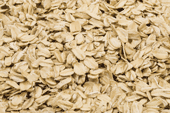
Oats are the best source (along with barley) of a soluble fiber called beta glucan. This type of fiber helps lower total cholesterol and, especially, LDL (“bad”) cholesterol. All forms of oatmeal (steel-cut, rolled, old-fashioned, instant, etc.) are whole grains and are similarly nutritious. They differ in the size or shape of the grain, whether they have been pre-cooked, and thus how long it takes to cook them. Oat bran is just as effective at reducing cholesterol levels as two widely prescribed cholesterol-lowering drugs which is why labels on oat products are allowed to make a heart-healthy claim. The oat bran, however, costs much less than the drugs! Oat fiber also helps control blood sugar and improve insulin sensitivity, so it can be highly beneficial for people with insulin resistance or diabetes. Furthermore, oats contain phytochemicals that may also help reduce the risk of heart disease by helping to relax blood vessels and maintain blood flow, thereby reducing high blood pressure. Shopping and StorageRead the label when shopping for oat products. Most “oatmeal” breads are primarily refined wheat, with oats way down on the ingredients list. Most oat muffins, granola bars, and cookies use oats merely for texture and to acquire a healthy image. Oats have a slightly higher fat content than other whole grains and can therefore turn rancid quickly. Therefore, buy them in small quantities and store in airtight containers at room temperature (or in the refrigerator in hot weather) for up to a month. Oat products can be kept in the freezer for 2 to 3 months. Ways to include more oats in your diet. Barley Basics
This barley and butternut squash soup recipe is a meal in itself and will warm your heart.
|
















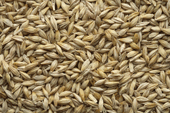 When considering whole grains, don’t forget barley. Highly versatile, it’s good in soups, stews, and side dishes. Like oats, it’s rich in soluble fiber, specifically beta glucan, which helps to lower LDL (“bad”) cholesterol thereby reducing the risk of heart disease. It also helps control blood sugar, and may reduce high blood pressure. Further, barley contains insoluble fiber which helps your intestine work normally and perhaps help reduce colorectal cancer risk. Barley also contains phytonutrients as well as several B vitamins, selenium, iron, magnesium, and zinc.