Hazards
There are several dangers associated with the use of pneumatic tools. First and foremost is the danger of getting hit by one of the tool’s attachments or by some kind of fastener you are using with the tool.
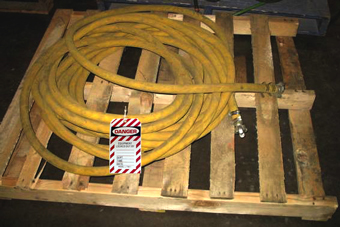
Pneumatic tools must be checked to see that the tools are fastened securely to the air hose to prevent them from becoming disconnected. A short wire or positive locking device attaching the air hose to the tool may also be used and will serve as an added safeguard.
All possible hazards cannot be covered here, but we have tried to highlight some of the most important ones. The following hazards have the potential to cause serious health problems:
 Using a tool that has an altered safety device or one that has been removed
-
Poorly designed tool (wrist strain)
Vibration (vibration-induced white finger)
Noise (hearing loss)
Dust (respiratory problems)
Incorrect tool selection
Using a damaged tool
Improper, inadequate, or no guards
Rotating shaft (entanglement)
Wheel breakage (grinder)
-
Flying chips
-
Whipping of the hose
-
Accidental start up
-
Compressed air entering the body
-
Dropped tool
-
Tripping over air hoses
-
Missing safety clip or retainer on attachment
Vibration Hazards
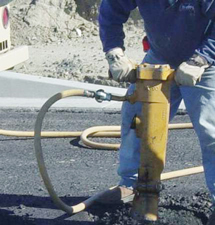 The nature of the work with pneumatic tools can be uncomfortable to the operator. Prolonged use of pneumatic tools can lead to "white fingers" or other related vibration-caused health disorders. Many manufacturers offer ergonomic air hammers designed specifically to reduce the harmful vibration to the hands and arms of the tool operator. These ergonomic tools can improve the operator's safety and comfort without reducing the power of the tool.
You should discontinue the use of any tool if you experience tingling, numbness, discomfort, or pain in your hands and arms. You should consult your physician before resuming use of the tool.
Employees and operators must be instructed to use a minimum hand grip force consistent with proper control and safe operation, keep wrists as straight as possible, avoid repetitive movements of the hands and wrists, keep body and hands warm and dry, and avoid anything that inhibits blood circulation such as tobacco, cold temperatures, and certain drugs.
Dust
 Avoid prolonged contact with dust from power sanding, sawing, grinding, drilling, and other construction activities. Wear protective clothing and wash exposed areas with soap and water. Allowing dust to get into your mouth, eyes, or on your skin may promote absorption of harmful chemicals.
Some dust created by construction activities contain chemicals known to the State of California to cause cancer and birth defects or other reproductive harm. Some examples of these chemicals are:
-
Lead from lead-based paints
-
Asbestos
Crystalline silica from bricks, cement and other masonry products Your risk from these exposures varies, depending on how often you do this type of work.
Employees and operators must be instructed to work in a well-ventilated area when possible, use an approved respirator when required, and obtain their supervisor’s approval before using a respirator.