
About Slips, Trips and Falls
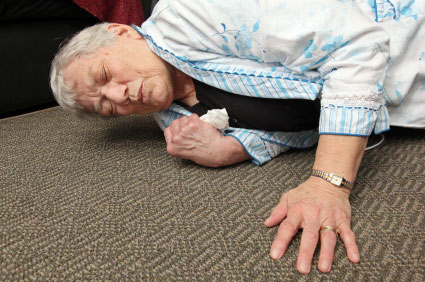
Falls from slipping on surfaces or tripping on objects are leading causes of unintentional injuries in the United States. These injuries account for 15% of all accidental deaths and approximately 8.9 million visits to hospital ERs annually (https://www.osha.gov). Adults 55 and older are more often fall victims, and while resulting injuries can be minor in nature, they frequently result in serious injuries. Slipping and tripping falls are usually the leading cause of workplace injuries. People often view injuries from such falls as an inevitable aspect of work, and they commonly dismiss them as unpredictable and unpreventable. However, injuries from slipping and tripping — and the resulting workers’ compensation claims — cost member districts dearly in money and resources every year.
Most likely, you’ve all slipped, tripped, and fallen at some point in your lives. Some of you didn’t get hurt. Others ended up in the emergency room. Either way, most of these falls were probably preventable. Maybe you didn’t notice those concrete car stops in the parking lot, the curb in your path, the change in sidewalk elevation, that ice early one morning, or that box someone didn’t put back in its proper place. The bottom line is this: Paying attention to where you are walking can avoid potentially life-changing injuries. Prevention is the key. As Benjamin Franklin said, “An ounce of prevention is worth a pound of cure.”
Although falling and slipping injuries occur frequently, Cal/OSHA regulations mainly focus on the physical work area:
Permanent floors and platforms shall be free of dangerous projections or obstructions, maintained in good repair, and reasonably free of oil, grease, or water. Where the type of operation necessitates working on slippery floors, such surfaces shall be protected against slipping by using mats, grates, cleats, or other methods which provide equivalent protection.
Under Cal/OSHA, if employers address these workplace hazard types and provide some degree of training, it is up to employees to report any newly discovered hazards that may result in slipping, tripping, and possible falls.
Statistics in Schools
Slips, Trips, and Falls Accidents
A California Joint Powers Authority (JPA) School District reported that slips, trips, and fall claims were on average 25% of all claims and 28% of all claim costs. Nearly all of these accidents could have been prevented.
Employees slippped, tripped, and fell over the following:34% - Objects (chair, sprinkler, lift gate, backpack, milk crate, floor mat, students)
14% - Uneven Surfaces
14% - Stairs
13% - Wet Surfaces
11% - Curb/Sidewalk Edge
5% - Holes