
What is an IIPP and How Does It Work?
In the four decades since the Occupational Safety and Health Act was signed into law, workplace deaths and reported occupational injuries have dropped by more than 60 percent. The Injury and Illness Prevention Program (IIPP) is a basic, written workplace safety program. Title 8 of the California Code of Regulations (T8CCR), section 3203, requires every employer to develop and implement an effective IIPP. The main goal of an IIPP is to prevent workplace injuries and illnesses, and the financial hardship they cause both workers and employers. An effective IIPP improves the safety and health in your workplace and reduces costs through good management and employee involvement. There are eight required elements in an Injury and Illness Prevention Program. These include:
-
Responsibilities
 All employees have specific responsibilities under their company’s program. Depending on whether you are the program administrator, a supervisor, manager, or an employee with no supervisorial duties will determine what your responsibilities are. They differ from program to program, but for the most part, are similar.
 Program administrators have many duties, including:
Advising senior management and board members on safety and health issues
Working with senior management to develop safety and health guidelines and policies
Planning, organizing, and coordinating safety training courses
Taking action to mitigate identified safety hazards, including any temporary measures, as appropriate
Periodically reviewing the IIPP for effectiveness and relevance
Establishing, conducting, and maintaining an accident reporting and investigation procedure
Providing new employees with an overview of job hazards and safe work practices associated with their defined duties prior to assignment, including the use of personal protective equipment
Implementing and maintaining the IIPP at their site and answering worker questions
Investigating and documenting accidents, and taking necessary action to prevent recurrence
Discussing recent accidents, injuries, or near-misses with employees
Recommending disciplinary action for employees failing to comply with safety requirements
Ensuring employees are trained on safe work practices, how to use provided equipment, and any hazards unique to their work area or duties
Consistently enforcing safe work practices
Ensuring proper reporting of work-related injuries and illnesses
Informing employees on procedures for reporting workplace hazards and safety concerns
Responding to all reports of unsafe conditions or unsafe acts reported by employees
Conducting monthly safety meetings
Notifying the program administrator of new operations, equipment, and safety-related exposures
Allocating time for health and safety training
Documenting safety meetings, training, and maintaining employee training records
Understand and comply with all general and specific safe job procedures
Do not undertake a job until you have received instructions or training on how to do a task properly and safely, and are authorized to perform the job
Do not undertake a job that appears to be unsafe
Do not use chemicals you are unfamiliar with
Ensure that mechanical safeguards are in place during operations
Report unsafe conditions, work practices, near misses, and accidents to your supervisor immediately
Utilize appropriate personal protective equipment as instructed by your supervisor
Correct and/or report workplace hazards when they are discovered
Attend and participate in monthly safety meetings
Promote safety in the workplace
Compliance
Communication
Hazard Assessment
Accident/Exposure Investigation
Hazard Correction
Training and Instruction
Recordkeeping

 Supervisors, Managers, and Site Administrators have an overall responsibility for ensuring site conditions and operations are in strict compliance with applicable health and safety requirements. In addition, they are responsible for enforcing safe work practices and mitigating identified hazards. Other responsibilities include:
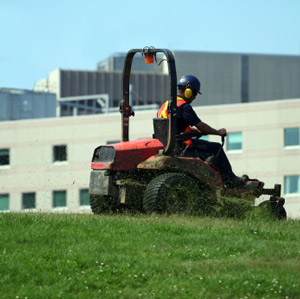 Employees are responsible for following safe work practices and procedures as referenced in this document and by their respective department or supervisor. All employees should adhere to the following safe practices:
All employees in your district are responsible for complying with established safe work practices. Supervisors are responsible for ensuring employees are aware of and understand all applicable work practices and procedures, and for enforcing them fairly and uniformly in their area of responsibility. Ensuring compliance within an organization can be done through safety incentive programs, disciplinary action, safety performance evaluations, training and retraining programs, and having a policy that allows for reporting unsafe conditions without fear of reprisal.
Communication should be clear and open when it comes to safety matters. It should be readily understood by all employees and needs to occur on a consistent basis to be effective. Ongoing communication about safety and health topics, workplace hazards, and recent injuries or incidents is important because it helps keep everyone thinking about safety. Communication occurs in a variety of ways. Some of the more common forms of communication include: safety meetings, safety training, bulletin boards, safety committee meeting minutes, safety suggestion boxes, and other verbal communication.
Hazard identification and assessment is an ongoing process and fundamental to the effectiveness of the IIPP. OSHA requires all employers to inspect their workplace on a periodic basis and to correct any deficiencies. The responsibility for this element belongs to everyone in your organization. Known hazards in your workplace and action taken to reduce or remediate them must be identified in the IIPP.
Supervisors are required to follow your district’s policies when it comes to investigating injuries, accidents, near misses, and other incidents. The primary reason for conducting an investigation is to determine the root cause of the incident and thus prevent future similar incidents through the use of knowledge derived from the investigation.
Correcting and controlling hazards discovered in the workplace is everyone’s responsibility and is the cornerstone of an effective IIPP. Upon completion of an accident investigation or discovery of a workplace hazard, corrective action should be taken by the appropriate party to eliminate or control the hazard, if one exists. Documentation of any corrective action taken is always a good idea.
Employee safety training and instruction is crucial for maintaining a safe and healthy workplace. Supervisors and site administrators are responsible for ensuring the appropriate training takes place for their employees. The training provided should be appropriate for each position based on the job description and expected exposures. It should address the specific hazards associated with your tasks and the proper precautions necessary to protect you from potential hazards.
Actions taken to implement and maintain the IIPP should be documented and maintained by the human resources department, supervisors/site administrators, and the safety coordinator. Records should be kept for a minimum of three years and include things like inspections, training sign in sheets, hazard reports, corrective action, near-miss reports, and accident investigations.
To be effective, an IIPP must fully involve all employees, supervisors, and other top management and must be driven from the top down. Not only can an effective IIPP dramatically decrease workplace injuries and reduce workers’ compensation premiums, but it can transform the existing safety or lack of safety culture and lead to higher productivity and quality, lower turnover, reduced costs, and greater employee satisfaction. The IIPP helps your district identify hazards and fix them before injuries or illnesses occur. It helps your district meet its obligation under the Occupational Safety and Health Act to furnish a place of employment which is free from recognized hazards that are causing or likely to cause harm to its employees. Your district IIPP has been developed to provide organizational structure and procedures to assure there are effective programs in place to identify and mitigate actual and potential hazards to the safety and health of all staff, volunteers, and visitors. If you are not sure where your district’s written program is located, ask your supervisor.