About
Material handling is defined as the techniques employed to lift, move, transport, store, and distribute materials, with or without the aid of mechanical equipment. This common workplace activity is often considered to be the most serious safety problem in many workplaces. Material handling accounts for approximately twenty-five percent of all occupational injuries. Manual handling of containers and other materials can expose you to physical conditions such as force, awkward postures, and repetitive motions that can lead to injuries. The majority of these injuries will affect the lower back, and are caused by improper lifting, failing to use available equipment, and other unsafe work practices.
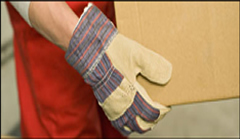 Material handling encompasses a wide range of work activities. It includes working with and moving small, lightweight materials and equipment to the occasional transfer of large, heavy and awkward loads. Whether moving materials manually by hand or with a mechanical device (non-powered or powered), you need to be aware of the potential hazards associated with the task at hand and know how to control the danger.
To begin with, you should be familiar with safe lifting techniques. Safe lifting is an important component of material handling, but not the only one; moving and placing loads safely is another. How you move or carry the load in the work area and set it down is just as important as how you pick it up. Planning your task, proper lifting, and using appropriate equipment are all components of safe work practices used in material handling. The following sections contain general guidance that can help you lift and move materials safely, identify hazards, and protect you from injury.
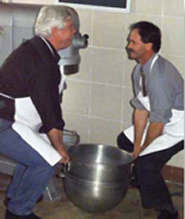 Material handling hazards include:
Repetitive motions
Heavy awkward loads
Restricted vision by large loads
Slips, trips, and falls
Being caught in between objects
Struck by falling material
Lack of material handling equipment